
"sort of"
1000 article(s) found

Boutique coffee Panamanian coffee manor Panamanian coffee producing area
The microclimate of the Panamanian highlands is the most important resource that makes Panamanian coffee unique. The most important resource that makes Panamanian coffee unique is its microclimate. The east-west environment of the Republic of Panama allows cold air to flow through the Central Mountains and converge above 6500 feet, creating a variety of microclimates in the Boquete and Volcn Candela regions.
Panamanian Coffee processing method Honey treatment and traditional washing
The microclimate of the Panamanian highlands is the most important resource that makes Panamanian coffee unique. The most important resource that makes Panamanian coffee unique is its microclimate. The east-west environment of the Republic of Panama allows cold air to flow through the Central Mountains and converge above 6500 feet, creating a variety of microclimates in the Boquete and Volcn Candela regions.

What's the flavor of moderately roasted Robstein coffee beans?
What is the flavor of medium-roasted Robstein coffee beans? the darker the robusta beans are roasted, the more delicious they are; the Arabica beans are roasted too dark and lose more delicacy and characteristics. On the other hand, medium baking can make their delicacies well displayed. The automatic sorting machine separates high-quality coffee beans from many coffee beans and removes them from being too light or too light.

Treatment of Panamanian Coffee beans in Ireta Manor, Panama
The microclimate of the Panamanian highlands is the most important resource that makes Panamanian coffee unique. The most important resource that makes Panamanian coffee unique is its microclimate. The east-west environment of the Republic of Panama allows cold air to flow through the Central Mountains and converge above 6500 feet, creating a variety of microclimates in the Boquete and Volcn Candela regions.

Introduction of Rwanda Coffee Kanye processing Plant | Urban Baking Bourbon has different African flavor.
Nyamasheke treatment in the western province of Rwanda: wet treatment (cleaning) drying method: patio sun-dried varieties: bourbon Kanyege cleaning station is hidden in the Nyamasheke area of the western province of Rwanda. Kanyege is 1870 meters above sea level and is located on a hill above the site of Kanzu. The coffee they process comes from farmers up to 2000 meters high.

What is the use of expired coffee powder? the function of coffee grounds
Recently, I found a coffee gift box from 3 years ago when I was sorting out the cupboard. In the face of cans of coffee powder that do not dare to eat and it is a pity to abandon, how to solve it? Trainee reporter Chen Zhen: 1, can be placed on the soil of potted plants, can prevent the breeding of insects, but also can be used as fertilizer. 2. Wrap the coffee grounds with gauze, wipe the stove and pot lid, and have a strong decontamination ability. 3. Use coffee powder with yarn

Production method of planting method of Panamanian Coffee varieties
The Baru volcano has an altitude of more than 11400 feet, and the land around it is rich in nutritious and fertile soil, providing sufficient conditions for the sowing and cultivation of coffee endemic to Panama. The appropriate microclimate, soil, temperature and height of these highlands are suitable for sowing, planting and harvesting a variety of unique coffees. These coffees are jasmine, citrus, ripe fruit, berries and charred.
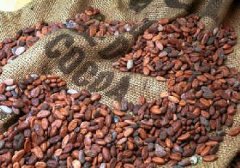
The processing method of fresh coffee beans-- drying method
Two methods in the processing of fresh coffee beans: wet treatment & drying

Is Columbia Wushi Coffee good? Colombian Wushi Flavor description
Professional coffee knowledge exchange more coffee bean information please follow the coffee workshop (Wechat official account cafe_style) El Zafiro is located between the mountains of central and western Colombia, 10 kilometers away from Popayan. The temperature difference between day and night on the farm is between 28 and 12 degrees, which makes the microclimate very suitable for growing coffee at high altitudes while allowing cherries to ripen slowly. A gentle breath
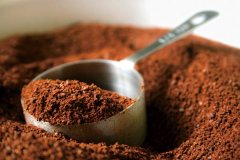
A bag of coffee grounds, an environmental protection lesson.
When I went to the IKEA store in Nanjing on the weekend, there was a long line in front of the coffee machine in the hall on the third floor. As the queue approached, a tip on the coffee machine attracted the attention of reporters: dear customers, if you need coffee grounds, you can get it for free from the restaurant staff. Let's practice sustainable development together. The tips also introduce many clever uses of coffee grounds to remove peculiar smell and grease.

Panamanian coffee growing environment unique coffee Panamanian coffee flavor and texture
Panama is a small country located in the center of the American continent. The waters of the Atlantic and Pacific oceans flood its beaches. Panama is located at 9 degrees north latitude, the meeting point of the Central Mountains, where Mount Baru, one of the highest volcanoes in Central America, is located. Baru volcano has an altitude of more than 11400 feet, and the land around it is rich in nutritious and fertile soil, which is unique to Panama.
Boutique coffee Rwanda coffee origin Rwanda coffee practice
Rwandans have been growing coffee since colonial times, but until 1999, its products were still classified as below Class C and were not popular in the global market. The reason for the poor quality is that farmers do not have a fixed procedure for washing coffee beans and do not process coffee fruits according to specifications in time. Buyers buy coffee beans at $0.33 per kilogram, and farmers keep warm by the meagre profits earned at low prices.

Description of the Flavor of Grinding scale of Coffee Bean varieties in Columbia Diamond Manor
Columbia Diamond Manor's coffee variety grinding scale flavor describes that the estate does not use a convenient and efficient sorting machine, but maintains the traditional laborious fermentation and daylight drying method. In order to protect the shade-loving trees from the strong sun, shade trees were planted around the coffee trees, weeding, irrigation and fertilization management were meticulous. Beautiful mountains and rivers in Colombia

Fine coffee Rwanda coffee manor Rwanda coffee producing area
Rwandans have been growing coffee since colonial times, but until 1999, its products were still classified as below Class C and were not popular in the global market. The reason for the poor quality is that farmers do not have a fixed procedure for washing coffee beans and do not process coffee fruits according to specifications in time. Buyers buy coffee beans at $0.33 per kilogram, and farmers keep warm by the meagre profits earned at low prices.
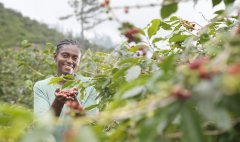
Coffee harvesting and screening how coffee fruits become coffee beans
The work to be done in a coffee plantation is much more than planting and harvesting. Coffee fruits are picked almost immediately when they are ripe, and it is not easy to judge the fruits of a tree at different ripening stages. In most Arabica coffee growing areas, ripe coffee cherries must be carefully picked by hand and placed in the picker's basket, and its weight determines the picker.

Malaba coffee beans in the western coffee producing area of Rwanda
Maraba coffee beans are manually selected and classified according to quality. PEARL brought coffee experts to Rwanda to maintain contact with the seller, the Public Coffee Company (Community Coffee) in Louisy, USA, and to send samples to Louisiana. In June 2002, public coffee

Boutique Coffee in Panamanian Coffee producing area Baru Volcano Coffee Coffee beans Coffee practice
The microclimate of the Panamanian highlands is the most important resource that makes Panamanian coffee unique. The most important resource that makes Panamanian coffee unique is its microclimate. The east-west environment of the Republic of Panama allows cold air to flow through the Central Mountains and converge above 6500 feet, creating a variety of microclimates in the Boquete and Volcn Candela regions.

Comparison between African Burundian coffee beans and Rwandan coffee beans what are the common varieties of Burundian coffee
Common varieties of bourbon, French mission, Jackson, Mibilis dry viaduct processing methods Coffee picking, transportation, desizing, open fermentation for 12 hours, soaking for 12-14 hours before removing mucus, and then soaking for 12-18 hours after washing. Dry natural coffee picking, delivery, washing and sorting, drying harvest period from March to July is now a lot.
Processing of coffee beans after harvest
Coffee beans must be processed immediately after harvest to avoid spoilage. Producers use two treatments: solarization and cleaning. An effective sun-drying method is to spread the berries evenly in the yard and stir the dehydrated berries occasionally to heat and aerate them evenly. The dried berries are then placed in a machine that crushes the outer shell and simultaneously removes the outer shell and the layer of parchment that surrounds it

The treatment of raw coffee beans: a detailed introduction to the sunburn method
The solarization process can also be called a natural process, which is basically the oldest, simplest, and requires the least mechanical tools. The first step is to sort and clean it up first. Immature, overripe, damaged coffee fruits will be singled out first. At the same time, the branches, leaves, mud and stones mixed in the fruit will also be removed. Sieves are usually used to deal with this preliminary